Stone Creek Outfitters
BH Gold Rib Hare's Ear
BH Gold Rib Hare's Ear
🚚 Free U.S. shipping on orders over $59.📦 Partner products ship from a separate location and are not included in this free shipping offer.
Couldn't load pickup availability
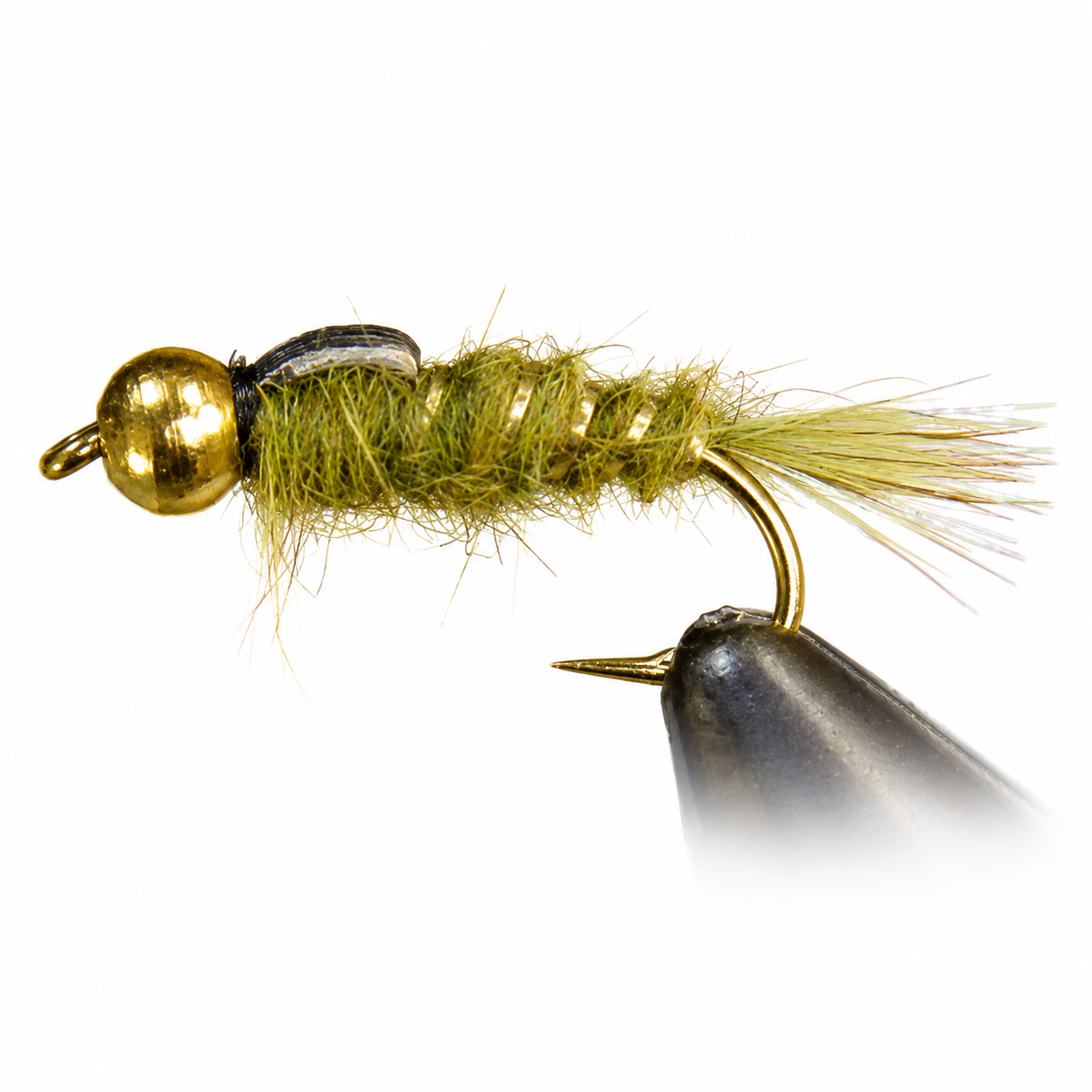
Stone Creek™ Gold Rib Hare’s Ear – Bead Head
The Stone Creek™ Bead Head Gold Rib Hare’s Ear is one of the most versatile and productive nymph patterns ever created. Designed to imitate a wide variety of aquatic insects including mayfly nymphs, caddis larvae, stonefly nymphs, and general subsurface trout food, this fly consistently produces fish in nearly every trout fishery.
The bead head helps the fly sink quickly into the feeding zone while the gold ribbing adds subtle flash and realistic segmentation. Its buggy hare’s ear body creates lifelike movement and texture that trout find irresistible, making it an excellent searching pattern when fish are feeding below the surface.
Available in Standard, Flashback, and Olive styles, the Gold Rib Hare’s Ear can be matched to a wide range of hatch conditions and underwater food sources. Whether drifted beneath an indicator, euro nymphed through riffles, or fished as part of a tandem nymph rig, this pattern remains a must-have fly for trout anglers everywhere.
Features:
• Bead head for improved sink rate
• Gold ribbing adds subtle flash and segmentation
• Buggy hare’s ear body for lifelike movement
• Effective for mayflies, caddis, stoneflies, and general aquatic insects
• Available in Standard, Flashback, and Olive styles
• Excellent searching nymph pattern
• Proven producer in rivers, streams, lakes, and tailwaters
• Productive year-round trout fly
Imitates:
• Mayfly Nymphs
• Caddis Larvae
• Stonefly Nymphs
• Aquatic Insects
• General Trout Food Sources
Available Styles:
• Standard
• Flashback
• Olive
Available Sizes:
• #10
• #12
• #14
• #16
• #18
• #20
Fishing Tips:
Dead drift naturally through seams, riffles, runs, and deeper holding water. Flashback versions excel in stained water or low-light conditions, while Olive patterns are especially effective during Baetis and olive mayfly hatches.
Share